
TCG Card Care
Whether you're working on Pokemon, YuGiOh, Dragon BallZ, or another TCG Card Collection, check out these tips for your TCG Card Care
What is a fixable or permanent issue on TCG cards? Play the video to learn more.
Top Fixable Issues on TCG Cards
-
Surfaces - Including dirty cards and light play
-
Smaller dents and dings
Top Permanent Issues on TCG Cards
-
Missing Paint
-
Creases
-
Deep Scratches
Watch These Videos To Get Started TCG Card Care
TCG Surface Cleaning:
TCG Scratch Removal
TCG Dent Removal
TCG Dent Removal
TCG Ding Repair
Do Not Use Polish or Recovery On the Following Pokemon
-
Stary Holo Surfaces
-
Pokemon 151 Reverse MasterBall Holo Variants
-
Awakening Legends Shining
Always Practice On A Base Card First!
Before you polish your cards, check for "Top-Layer Embellishments"
-
Identify: Look for cards where the glitter or texture feels raised or looks like a "third layer" applied over the clear coat.
-
The Risk: Card polish and Recovery act as mild abrasives that can easily dissolve or scrub off these surface-level accents.
-
The Result: You will lose the "sparkle" and texture, significantly devaluing the card.
-
Rule of Thumb: If the texture isn't under the plastic layer, keep the polish away!


Avoid on Card Embellishments
Recommended Products for TCG Collectors


TCG Card Cleaning Do's and Don'ts
Kurt's Card Care Polish
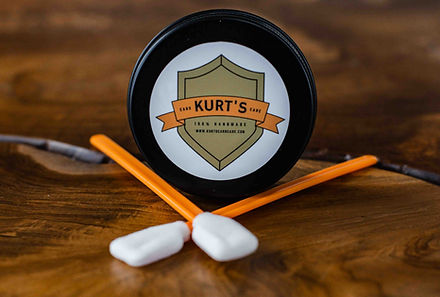
Polish Do's
-
We have found that almost all Pokemon cards from 1996 to current (this includes but is not limited to Bandai, Carddass, Topsun and other different language cards.) you can use the Spray and Polish successfully.
-
Use clean applicators every new session and if you need to order more, I have Amazon links for the applicators here: Polish/Spray Applicators
-
Keep the polish between 68-72 degrees for best performance.
-
When applying polish to an applicator, do it softly, like spreading butter on bread. Do not smash it up and dig into it. Gentle.
-
To keep it fresh keep it out of light and the lid on tight.
-
We have found when it comes to the newer sets of Pokemon they have changed their top coating/layer to have a light powder coating of some sort on the top of it. (Such as some of if not all the amazing Japanese Promos.) We are talking about the Stary Holoing on the top of the card, the ones such as the Triple Beat Set of Pokemon (mainly the ex’s) also Scarlet & Violet. These cards you can use the spray on without any issues, but when it comes to the polish due to them having no protective layer on the top of this fine powder coating. The Polish tends to completely take this off leaving only what is covered by a clear coat behind. So these cards we'd recommend you stay away from when using the Polish. These are very beautiful cards so lets keep them that way.
-
Certain foil accents are easy to remove too. If polish ever dries on your card. Don’t try scratching it off. Just apply some more on top and it will remove all of it. This happens when you don’t remove it fast enough.
-
Do not use polish anything with a third layer of holographic accents, such as repeating patterns and extra embellishments like the cards above.
Polish Don'ts
TCG Card Cleaning Do's and Don'ts
Kurt's Card Care Spray
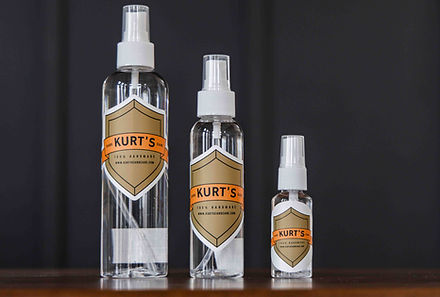
Spray Do's
-
Use the spray before the polish to remove residues, stuck on stuff, heavy finger prints…whatever “stuff” happens to be on your card. Spray is great at getting the surface back to factory like by removing whatever happens to land on the card. Pokemon cards from 1996 to current (this includes but is not limited to Bandai, Carddass, Topsun and other different language cards.) you can use the Spray successfully.
Spray Don'ts
-
Do not spray directly on the card.
-
Do not scrub the surface with force. You will remove or break the paint. Just gently wipe the trouble areas with spray applied to a cotton applicator. lightly and have patience.
TCG Card Cleaning Do's and Don'ts
Kurt's Card Care Recovery

Recovery Don'ts
-
Do not use on autographs
-
Do not use on serial numbers.
-
Removable blemishes usually go away between one and three applications. Do not be heavy-handed. Do not scrub.
-
Do not use polish anything with a third layer of holographic accents, such as repeating patterns and extra embellishments like the cards above.
Recovery Do's
Recovery can be used on TCG cards, however, you need to be very careful.
-
Use clean applicators every new session and if you need to order more, I have Amazon links for the applicators here: Polish/Spray Applicators
-
Keep the polish between 68-72 degrees for best performance.
-
Always test on base cards.
-
Use Kurt's Card Care Polish first. Standard cleaning polish can take care of 90% of the issues when it comes to the surface cleaning. If you are left with any light scratches on the card 1 to 3 applications of recovery can be used.
TCG Card Cleaning Do's and Don'ts
Kurt's Card Care Tool

Card Tool Do's
-
Use the tool to help get the edges and corners back in place. This works well in combination with humidity treatments then resting between discs. Most TCG cards are thin and rigid. Sometimes just letting them rest between discs after humidity is the best option for lifted edges or corners.
Card Tool Don'ts
-
Don’t push hard and always use a penny sleeve in-between the surface of the tool and card for added protection. The paint is easy to remove on TGC cards so take your time and do not use force. If you create friction you will move the paint.
Bottom Line: To AVOID any potential mistakes test everything on a base card before you go for the 1st Edition Charizard. Base cards from the same set are made of the same material and they will teach you how to successfully work on your best cards.
After Cleaning: Essential Steps Before Grading
Let Your Cards Dry Completely
Cards get wet when using card polish or cleaning solutions. If you sleeve or case them immediately, moisture becomes trapped inside. After a few hours, the sleeve will wrinkle as the polish tries to evaporate—creating a concerning appearance that can raise questions during the grading process.
Always let your cards air dry completely (typically 2-4 hours depending on humidity) before casing them. This simple step ensures your cards look their absolute best when they reach the grading company.
Watch how moisture affects sleeves:
Master Recovery Products Before Grading Day
If you're using recovery products on TCG cards, practice makes perfect. These products aren't designed to be buffed aggressively or applied heavily. The goal is subtle improvement, not dramatic transformation.
A card with light scratches that's been properly treated should look naturally refreshed—not shining more intensely than factory condition. For grading purposes, less is more: one or two light coats maximum on TCG cards. If you're new to recovery products, practice on common cards first to develop your technique.
For complete guidance on preparing cards for grading, visit our Best Practices page.
Subscribe to our YouTube channel for TCG card care tips.
TCG - Pokemon- Star Wars - Fortnite
TCG - Pokemon- Star Wars - Fortnite

One Piece Card Care

How to Heat Press Pokemon Cards

Pokemon Card Care

Pokémon Card Care - Lugia 

Product Demos:
Live Card Cleanings
Be sure to join us every Wednesday Night when we go live on our YouTube Channel for more product demos and live Q&As.
